
Summary
You can help your wedding photographer capture the best photos at your venue by sharing your vision, creating a realistic photography timeline, identifying meaningful locations, planning around natural light, and communicating important details before the wedding day. Giving your photographer time to explore the property, photograph décor before guests arrive, and capture portraits in scenic areas can help produce a gallery that reflects both your relationship and the character of your venue. Coordinating the schedule with your photographer and wedding team also helps minimize delays and makes it easier to capture the moments that matter most. [1]
Your wedding venue provides the backdrop for some of the most meaningful photographs you will keep from your celebration, from the ceremony and portraits to the reception details and candid moments with loved ones. With a little preparation and open communication, you can help your photographer make the most of the setting and capture your day beautifully.
How Can You Help Your Photographer Plan for Your Venue?
The best way to help your wedding photographer is to share your priorities and arrange a venue walkthrough before the wedding whenever possible. This gives your photographer an opportunity to identify promising backdrops, understand the layout, and plan how to move between important moments throughout the day.
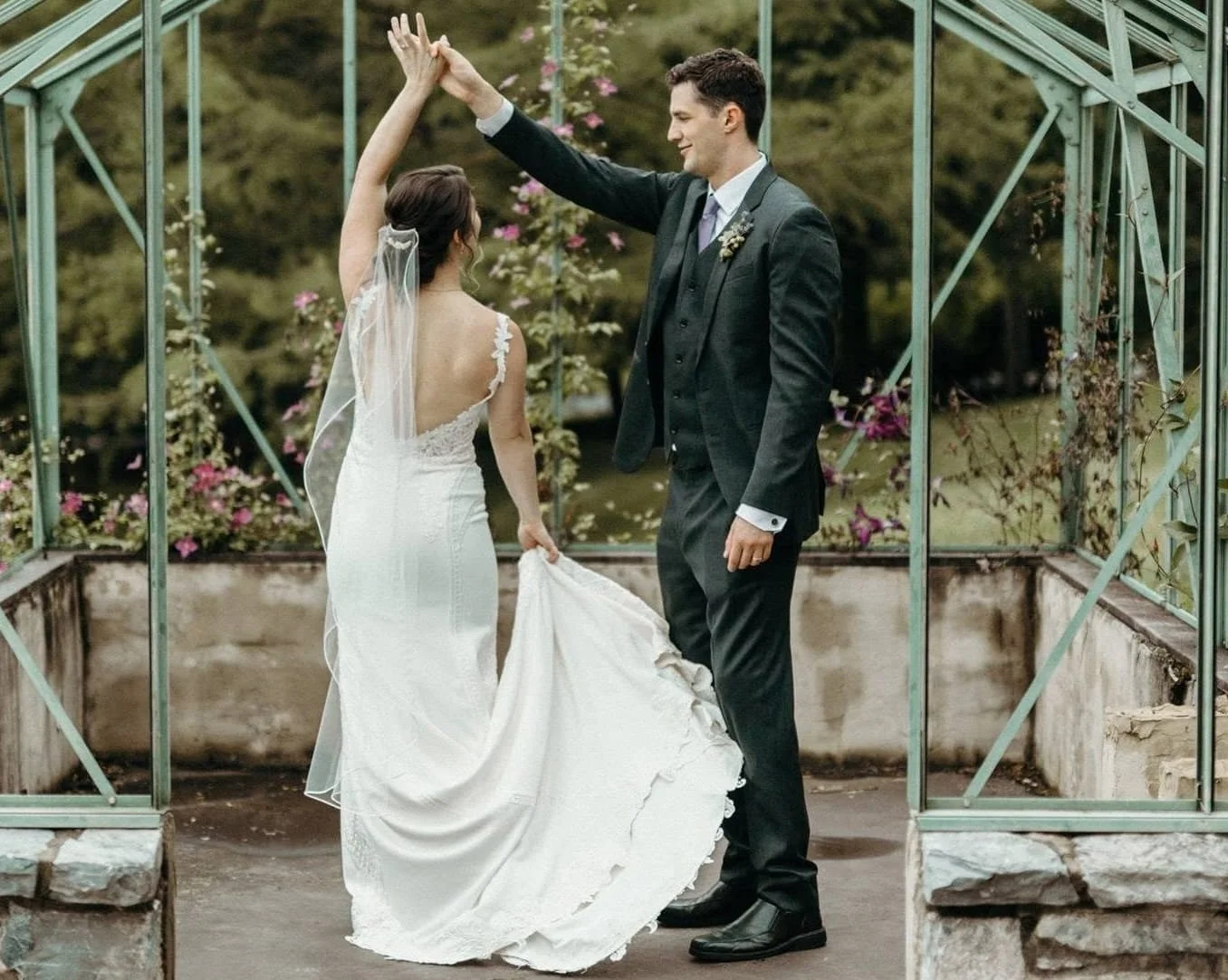
During the walkthrough, point out any locations that are especially meaningful to you, such as a garden where you would love to take portraits, an architectural feature you admire, or a beautiful outdoor area for wedding party photographs. Your photographer can assess these locations and recommend alternatives if lighting, weather, or timing makes another spot more suitable.
It is also helpful to share a few examples of photographs you love and explain what appeals to you about them. You might prefer candid images, romantic portraits, classic family photographs, or detailed shots of your decorations. Giving your photographer this context helps them understand your preferences without requiring you to plan every individual photograph.
How Can You Make the Most of Natural Light and Scenic Locations?
Natural light and thoughtfully selected backdrops can make a significant difference in wedding photography, so work with your photographer to identify the best locations and times for portraits. The same area can look very different depending on the time of day, weather, and direction of the sunlight.
Ask your photographer to recommend when to schedule couple portraits, wedding party photographs, and family pictures. If you are planning an outdoor ceremony, discuss whether the sun might create harsh shadows or cause guests to squint, and whether a shaded location would provide a more comfortable alternative. A flexible backup location is also useful if rain or other weather conditions affect your original plans.
Consider sharing these priorities with your photographer before the wedding:
Couple portraits: Identify scenic backdrops that reflect your preferred style.
Family photographs: Choose a convenient location with enough room for everyone.
Wedding party pictures: Allow space for larger group arrangements and creative poses.
Venue details: Identify architectural features, gardens, and other distinctive settings.
Weather alternatives: Discuss attractive indoor or covered locations in case conditions change.
Planning around light should also be part of your wedding-day timeline. PetaPixel's wedding photography timeline guide explains that photographers benefit from building the schedule around fixed events, available light, and the couple's priorities rather than trying to fit every photograph into an already crowded day. [1]
How Can You Organize Your Wedding Timeline for Better Photos?
A realistic wedding photography timeline gives your photographer enough time to capture important moments without making the day feel rushed. When portraits, family groupings, and reception details are scheduled thoughtfully, you are less likely to miss photographs you were hoping to have.
Start by reviewing the major events with your photographer, including getting ready, the ceremony, family portraits, the reception entrance, speeches, special dances, and any planned send-off. Include travel time between locations if your ceremony and reception take place in different areas, and leave a little flexibility for unexpected delays.
The following table provides a simple overview of photography opportunities to discuss when building your schedule.
| Wedding Moment | Photography Opportunity |
|---|---|
| Getting Ready | Capture candid moments, attire, accessories, and meaningful details. |
| Ceremony | Photograph the processional, vows, reactions, and first kiss. |
| Portraits | Plan couple, wedding party, and family photographs. |
| Reception | Capture table settings, décor, speeches, dancing, and candid interactions. |
Before finalizing the schedule, ask your photographer how much time they recommend for each portion of the day. Share the agreed timeline with your wedding planner and other relevant vendors so everyone understands when key moments will happen and can coordinate accordingly.
What Should You Do to Make Sure Important Moments Are Captured?
A prioritized shot list helps your photographer understand which people, details, and moments matter most to you. Rather than creating an exhaustive list of every photograph you can imagine, focus on meaningful images that might otherwise be overlooked.
Write down any essential family groupings, special traditions, sentimental details, or personal requests you want your photographer to know about. If there are complicated family dynamics or relatives who need assistance getting to a photography location, communicate that information privately in advance. You can also ask a trusted member of the wedding party to help gather family members when group portraits begin.
Before the wedding, make sure you have covered these final details:
Provide a list of essential family group photographs.
Identify important people and meaningful personal details.
Tell your photographer about any planned surprises or special traditions.
Confirm photography restrictions and access arrangements with the venue.
Designate a point person who can help coordinate family photographs.
Finally, give your photographer the freedom to capture spontaneous moments throughout the day. Some of the most meaningful images happen between scheduled events, when family members embrace, friends laugh together, or the couple shares a quiet moment. A clear plan creates a strong foundation, while flexibility allows your photographer to document the personality and emotion of your celebration.
If you are planning a wedding in Central Pennsylvania and want to learn more about hosting your celebration at a venue with distinctive character and beautiful surroundings, contact us to explore our wedding spaces, packages, and options for creating a memorable wedding day.
Frequently Asked Questions
When should you schedule a venue walkthrough with your wedding photographer? Arrange a walkthrough as early as practical after booking your photographer and venue. If an in-person visit is not possible, share photographs, a floor plan, and information about the ceremony and reception locations.
What is a wedding photography shot list? A shot list is a prioritized collection of photographs you want your photographer to capture, such as family portraits, special details, important traditions, and key moments during the ceremony and reception.
What is golden hour in wedding photography? Golden hour refers to the period shortly after sunrise or before sunset when sunlight is often softer and warmer than during the middle of the day. Your photographer can recommend whether this lighting works for your portraits and wedding schedule.
How much time should you allow for wedding portraits? The time needed depends on the number of people, locations, and photographs you want. Ask your photographer to recommend a realistic schedule for couple portraits, wedding party photographs, and family groupings.
Should you give your wedding photographer a list of family photographs? Yes. Providing a list of important family groupings helps the photographer prepare and makes it easier to organize portraits efficiently. Designating someone who knows both families can also help gather everyone when it is time for photographs.
Sources
How to Create a Wedding Photography Timeline, PetaPixel, Access Date: October 25, 2026, https://petapixel.com/2024/06/04/how-to-create-a-wedding-photography-timeline/
