
How to Incorporate Family Traditions into Your Wedding Ceremony
Summary
Incorporating family traditions into your wedding ceremony is a meaningful way to honor your heritage while celebrating your future together. By thoughtfully selecting rituals, symbols, and moments that reflect both families, couples can create a ceremony that feels personal, respectful, and deeply memorable.
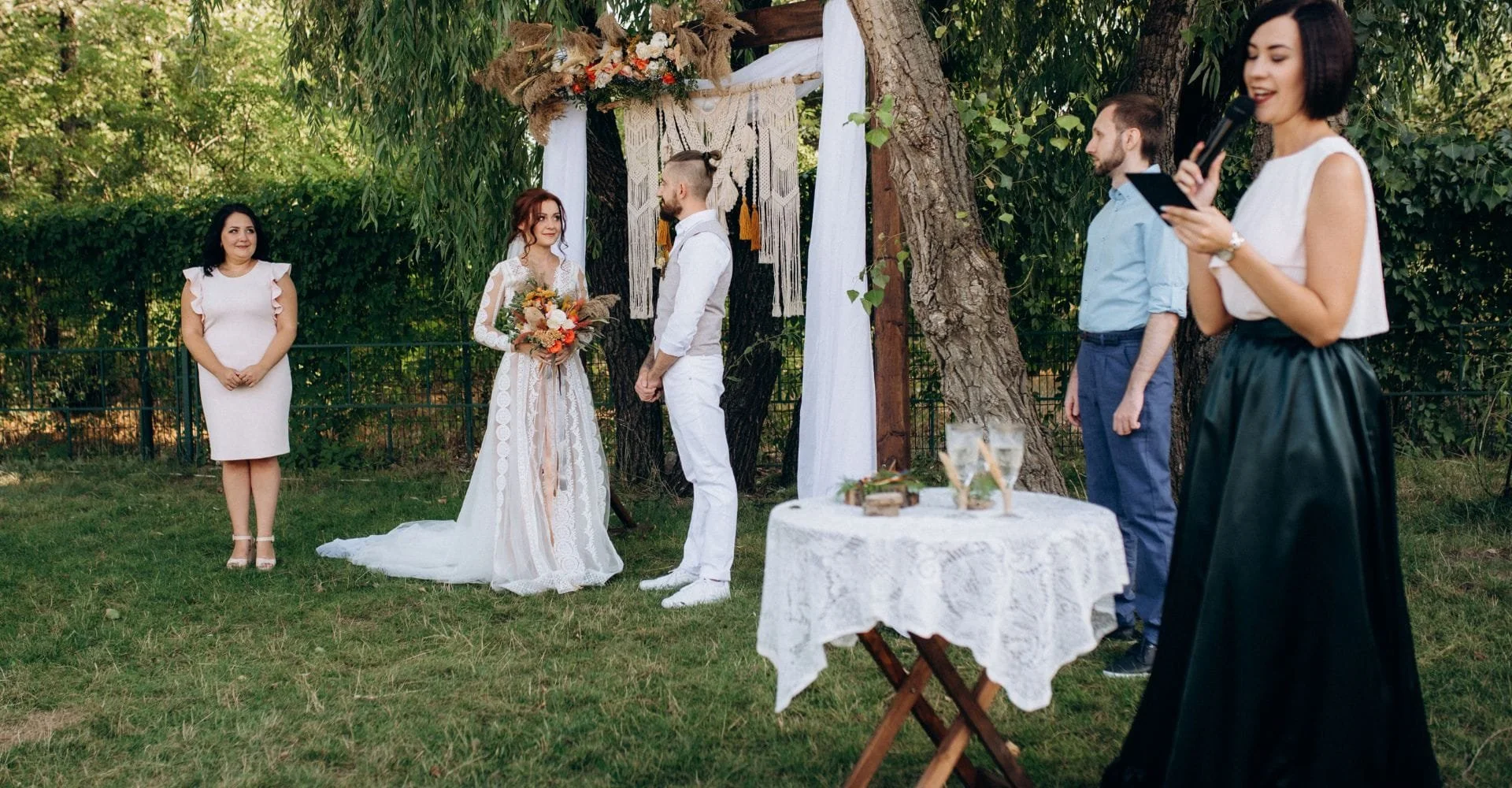
A wedding ceremony is more than a formal exchange of vows, it is a reflection of shared history and values. Family traditions add depth and emotional significance to this moment, connecting generations through symbolic gestures. Whether cultural, religious, or sentimental, these traditions help tell your story as a couple. With thoughtful planning, you can blend meaningful customs into a ceremony that still feels uniquely yours.
Identify Meaningful Traditions from Both Families
Choosing the right family traditions begins with understanding which customs hold the most significance. Couples should explore traditions that reflect shared values or personal connections rather than trying to include everything. This approach keeps the ceremony meaningful without feeling overwhelming.
Traditions can be cultural rituals, religious practices, or symbolic gestures passed down through generations. These moments often resonate deeply with family members and create powerful emotional connections. Selecting traditions that naturally align with your ceremony ensures a smooth and respectful flow.
Open communication is essential during this process. Talking with parents or elders can provide insight into which traditions matter most. This collaboration helps families feel honored while giving couples clarity and confidence in their choices.
Blend Traditions Seamlessly into Your Ceremony
Incorporating family traditions works best when they are woven naturally into the ceremony structure. Rather than isolating them, these moments can complement key parts of the ceremony such as the processional, readings, or vows. This creates a cohesive experience that feels intentional and inclusive.
Below is a table showing common family traditions and where they fit within a wedding ceremony:
| Tradition | Meaning | Ceremony Placement |
|---|---|---|
| Unity Candle | Joining of two families | After vows |
| Cultural Blessing | Honor heritage | Before vows |
| Family Reading | Shared wisdom | Mid-ceremony |
| Heirloom Use | Connection to ancestors | Throughout ceremony |
Balancing tradition with modern elements ensures your ceremony feels authentic. When integrated thoughtfully, these customs enhance the emotional impact without detracting from your personal vows or style.
Personalize Traditions to Reflect Your Relationship
Personalizing family traditions allows couples to honor the past while celebrating the present. Many traditions can be adapted to better reflect your values, beliefs, or relationship dynamic. This ensures the ceremony feels genuine and inclusive.
Here are ways to personalize family traditions:
Modify wording in traditional readings or blessings
Combine traditions from both families into one shared moment
Invite family members to participate directly
Add a brief explanation so guests understand the significance
Personal touches help traditions feel relevant and heartfelt rather than obligatory. This thoughtful approach allows couples to create a ceremony that respects heritage while highlighting their unique bond.
If you’d like help incorporating family traditions into a wedding ceremony that feels personal and seamless, contact us to learn more about planning a meaningful celebration.
Frequently Asked Questions
1. Do we need to include traditions from both families?
It’s not required, but including elements from both families can create a sense of balance and inclusion.
2. Can we modernize traditional wedding rituals?
Yes, many couples adapt traditions to better reflect their beliefs and style.
3. How many traditions should be included in a ceremony?
It’s best to include only a few meaningful traditions to keep the ceremony focused and flowing.
4. What if family traditions conflict?
Open communication and compromise can help couples find respectful solutions or alternatives.
5. Should traditions be explained to guests?
Providing a brief explanation helps guests appreciate the significance of unfamiliar traditions.
