
Who Usually Gets Flowers at a Wedding?
Summary
Flowers play an important role in wedding traditions and are often worn or carried by key members of the wedding party and immediate family. Typically, the bride carries a bouquet, bridesmaids carry smaller bouquets, and certain family members and attendants wear corsages or boutonnieres. While traditions vary, wedding flowers help distinguish special participants, enhance the overall aesthetic, and add meaningful touches to the celebration.
Wedding flowers are more than just beautiful decorations, they help highlight the people who play important roles throughout the day. From bouquets and boutonnieres to corsages and floral crowns, flowers are often used to honor family members and members of the wedding party. Couples today have the flexibility to follow traditional floral customs or create their own unique arrangements. Understanding who typically receives flowers can help you plan a cohesive and meaningful wedding design.
Traditional Wedding Party Members Who Receive Flowers
The wedding party is usually the first group of people to receive flowers during a wedding celebration. These floral arrangements help distinguish key participants and create a coordinated appearance throughout the ceremony and reception. Traditional floral pieces are often selected to complement the overall wedding theme and color palette.
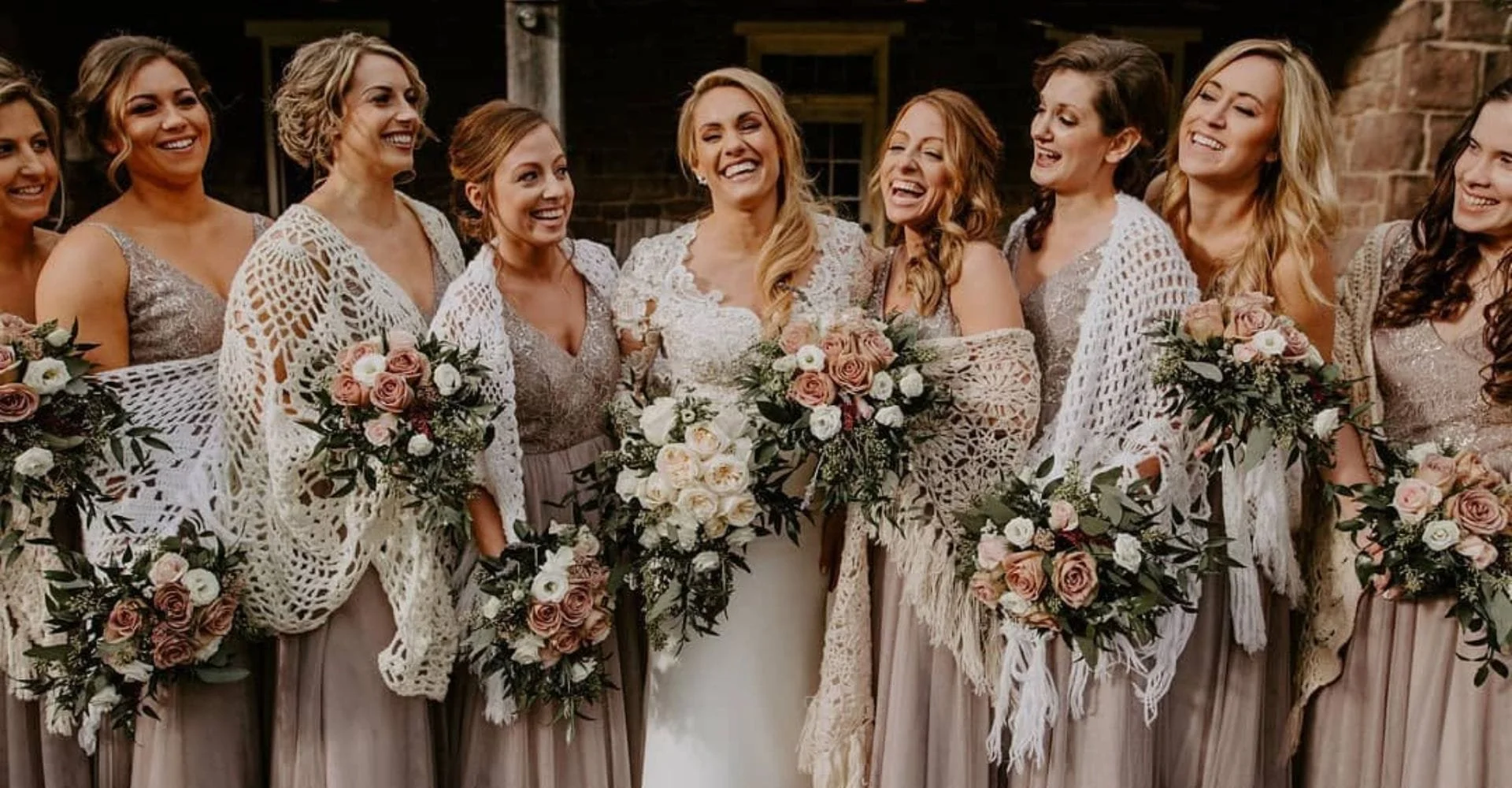
The bride typically carries the largest and most elaborate bouquet. Bridesmaids usually carry smaller bouquets that coordinate with the bride's flowers while maintaining their own visual identity. Flower girls may carry petals, pomanders, baskets, or miniature bouquets depending on the style of the wedding.
On the groom's side, flowers are generally worn rather than carried. The groom, groomsmen, ring bearer, and officiant often wear boutonnieres that complement the bridal party's floral selections. These details help create balance between both sides of the wedding party.
Family Members Commonly Honored with Flowers
Immediate family members are often recognized with flowers as a way to honor their role in the couple's lives. These floral pieces serve as a thoughtful gesture and help identify important family members during the celebration.
| Wedding Participant | Typical Floral Item | Purpose |
|---|---|---|
| Bride | Bouquet | Primary floral arrangement |
| Bridesmaids | Bouquets | Coordinate with wedding design |
| Mother of the Bride | Corsage | Recognition and honor |
| Mother of the Groom | Corsage | Recognition and honor |
| Groom & Groomsmen | Boutonnieres | Wedding party identification |
Grandparents, stepparents, and other close relatives may also receive corsages or boutonnieres. These floral accessories help recognize their importance while creating a sense of inclusion and appreciation.
Modern Alternatives and Personalized Flower Choices
Modern weddings often customize floral traditions to reflect the couple's personal style and family dynamics. While many couples continue to follow traditional guidelines, others choose floral arrangements based on individual preferences rather than formal expectations.
Popular modern floral options include:
Floral crowns for flower girls or bridesmaids
Pocket boutonnieres instead of traditional pins
Wrist corsages instead of pinned corsages
Single-stem flowers for honored guests
Floral accessories for pets participating in the ceremony
The most important consideration is choosing floral arrangements that feel meaningful to you. Whether you follow tradition or create entirely new customs, flowers can help celebrate the people who make your wedding day special.
If you're planning a wedding and looking for the perfect venue to bring your vision to life, contact us to learn more. Our team would be happy to help you create a beautiful celebration filled with meaningful details and unforgettable memories.
FAQ
Do both mothers receive flowers at a wedding?
Yes. Traditionally, both the mother of the bride and the mother of the groom receive corsages as a sign of honor and appreciation.
What is the difference between a corsage and a boutonniere?
A corsage is typically worn by women on the wrist or dress, while a boutonniere is worn by men on a jacket lapel.
Do grandparents receive flowers at weddings?
Many couples choose to give grandparents corsages or boutonnieres, although this is optional.
Does the officiant wear flowers?
Some officiants wear a boutonniere, especially if they are closely connected to the couple or participating in a formal wedding party role.
Are wedding flowers required?
No. Flowers are a tradition rather than a requirement, and couples can personalize their wedding with or without floral arrangements.
